








Many traders are asking the same question across various trading instruments: CFDs or spot trading? In some cases, such as with gold and other commodities, the CFD market has surpassed the forex market.
Commodities are originally purchased to defer delivery dates, which makes the contract price at the time of agreement speculative. Therefore, in sectors such as natural gas, agriculture, and precious metals, contracts for difference (CFDs) better reflect market demand. Given the stocks traded in connection with commodities, there is limited demand for spot prices.

Now let’s turn to foreign exchange. Currencies are traded primarily in the spot market rather than through options—which is the form of trading closest to currency CFDs.As with commodities, this decision by traders typically mirrors the way currencies are traded, namely, exchanging currency immediately for goods or services. Although options trading is also a robust market, it has low liquidity requirements and is used for hedging in foreign exchange operations; therefore, trading in this market often reflects long-term expectations.
So what about the new cryptocurrency CFDs? Will traders flock to them? Applying the logic above, spot trading is likely to become the primary way to trade cryptocurrencies. Since cryptocurrencies are typically used for instant transactions—even more commonly than international money transfers—this is logically how they should be traded.However, before accepting this logic, there are a few other factors to consider.
First, this assumes that cryptocurrency is used for trading purposes. It is clear that cryptocurrency, like options, has enormous hedging potential . Since both are pegged to central banks, it may even offer better hedging. This capability has already been proven to be a legitimate end-use case, which increases the likelihood that this could become a primary use of cryptocurrency.
The second scenario involves the unique conditions that led to the rise of CFDs. Given that the cryptocurrency trading market is currently small and highly volatile, CFDs were introduced to meet the need for secondary market activity, thereby allowing banks and other institutions to participate in the growing trading volume of the market and, in turn, reduce volatility.If this is the case, CFDs will provide strong stability for trading activities and also help foster long-term trading.
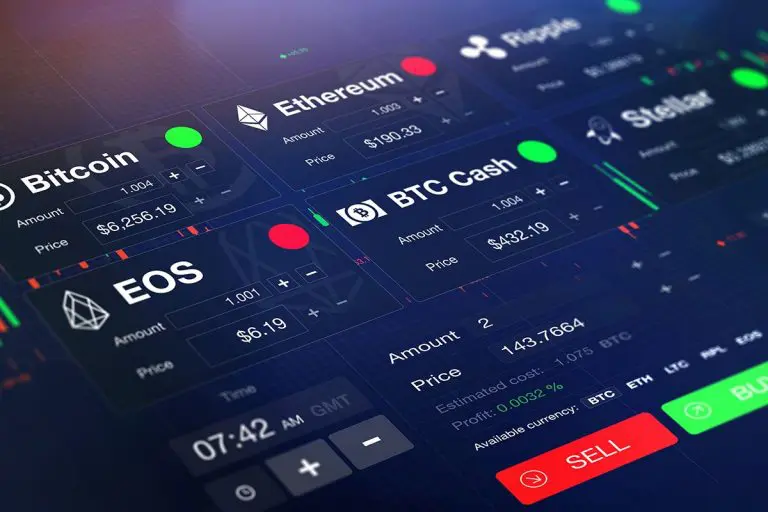
The reality of the current debate between exchanges and CFDs is that both currently offer excellent solutions for traders. For those seeking the volatility and profit potential of spot trading, this will be the preferred method. To date, interest in cryptocurrency has been driven by this volatility, and that is unlikely to change anytime soon.However, CFDs also offer what some traders who are currently avoiding cryptocurrencies are seeking: greater control, regulation, and legitimacy. These two types of traders are not the same group, nor are they likely to switch sides, which means each is likely to continue growing as interest increases.
In this scenario, cryptocurrencies will likely follow in the footsteps of traditional currencies, with a greater focus on spot trading, though CFDs and options will continue to exert significant influence.
At present, there is no practical difference between trading CFDs and spot markets. Both offer you the opportunity to profit in the same way. Perhaps when the CFD market matures, spot trading volume will be higher, but once CFD trading volume is robust, decisions should be based more on trading methods and preferences than on the future direction of the instrument.
Leverate provides you with the most advanced and user-friendly, fully customizable full-brand and white-label trading systems. Stop wasting your time on other platforms!We can get you up and running immediately. We can seamlessly integrate with your existing platform, or you can choose to upgrade to the unparalleled SIRIX platform to support your brokerage business.
• Cross-channel, cross-device – native, full-brand mobile apps, web versions, and desktop software
• Social trading features
• Cryptocurrency trading using encrypted payment solutions
• State-of-the-art analytical charts, graphs, and tools
• Push notifications and many other powerful features!



